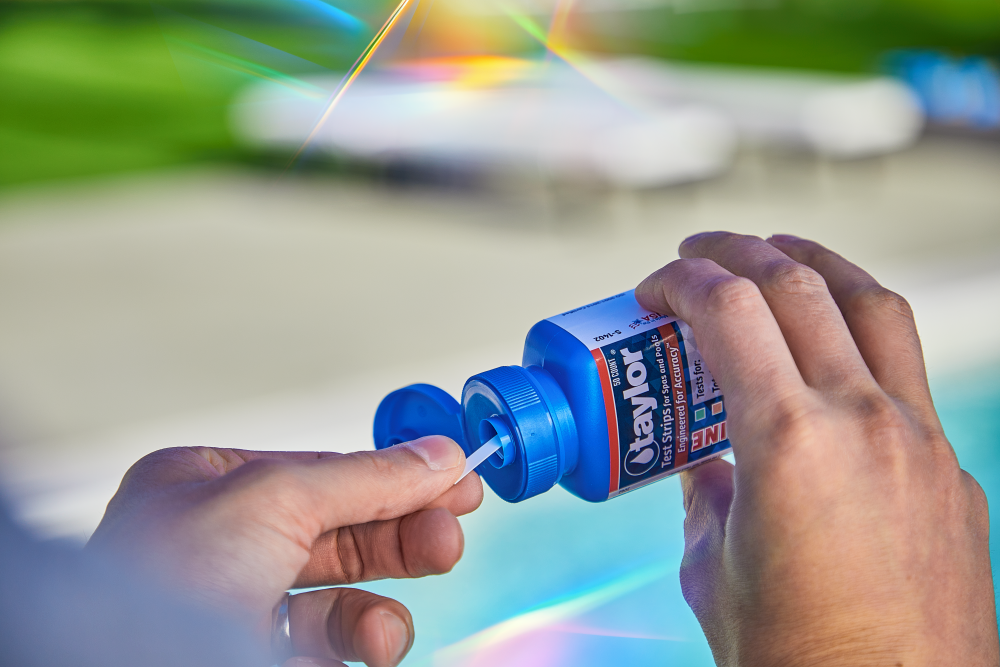
Resource Hub for Water Testing Professionals
Water Testing Resources for Pool Servicers, Retailers, and Industrial Applications
Expert guidance, tips, and technical resources to help you get reliable results, every time.
Find What You're Looking ForProduct Spotlight
Precision-Engineered Copper & Iron Testing
The newly redesigned Color Wheel Kit for Copper and Iron is more ergonomic and tests copper from 0.2–3.0 ppm and iron from 0–2.0 ppm.

No Matter the Type of Testing, We’re Here to Help
A pool service professional has different needs and priorities than a retailer, and both have very different customers than industrial servicers. Taylor products are designed to meet every pro’s needs, from field service to retail counters to industrial applications.
Pool and spa professionals have relied on Taylor for in-field testing for decades. From troubleshooting chemical issues to a free online LSI calculator, we’re here to help you deliver the best service to your customers.
See Resources
When your customers need fast, accurate answers, Taylor is the partner you can count on. Our in-store testing solutions are built for speed and precision, backed by support resources that help your team test with confidence.
See Resources
Industrial water treatment requires precision testing across complex systems, from cooling towers to industrial-grade boilers. Taylor’s industrial test kits and reagents are built to deliver dependable results for whatever your application requires.
See Resources
Already selling Taylor products? Get quick access to the account tools and pricing resources that keep your business running smoothly. Interested in becoming a dealer? Create an account today.
See Resources
Helpful Links
Featured
Resources
Start with essential resources, technical guides, and product support materials curated for water testing professionals.

Operating guide, error codes, and troubleshooting for the Xpress Flex testing system.

Enter your pool water results to determine whether your water is corrosive, balanced, or scale-forming.

App downloads, firmware updates, manuals, and warranty details for the TTi Colorimeter series.

Create an account or access sureTREAT for your water analysis reporting and recommendation needs.
Latest Pro Articles
Facts and Water Testing for Biguanide Sanitizers
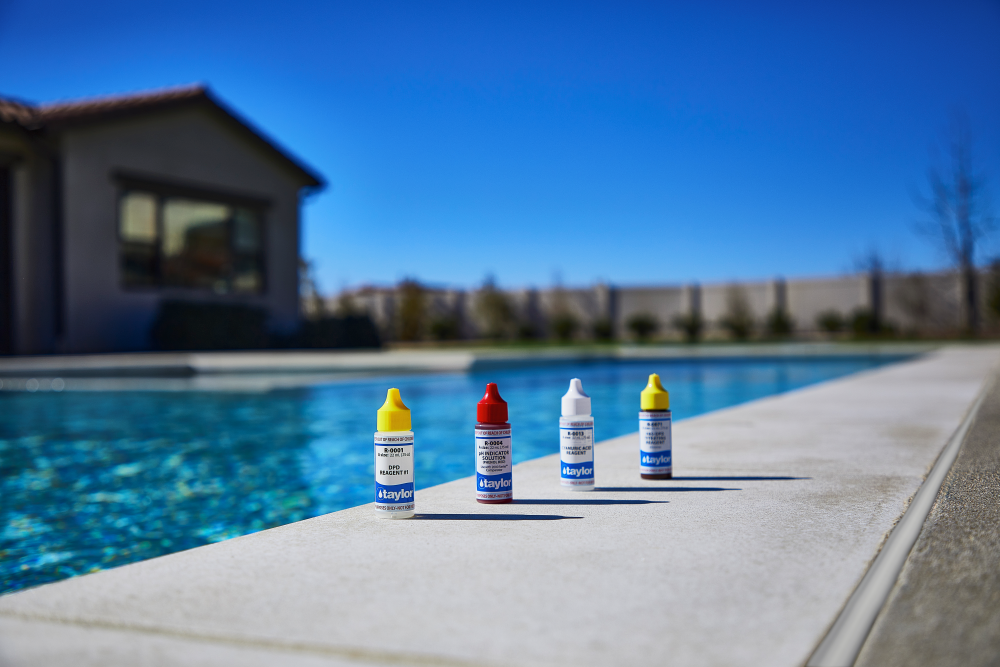
What You Need to Know about Safety Data Sheets (SDS)

Precision in Pool Water Chemistry: 6 Testing Protocols That Matter
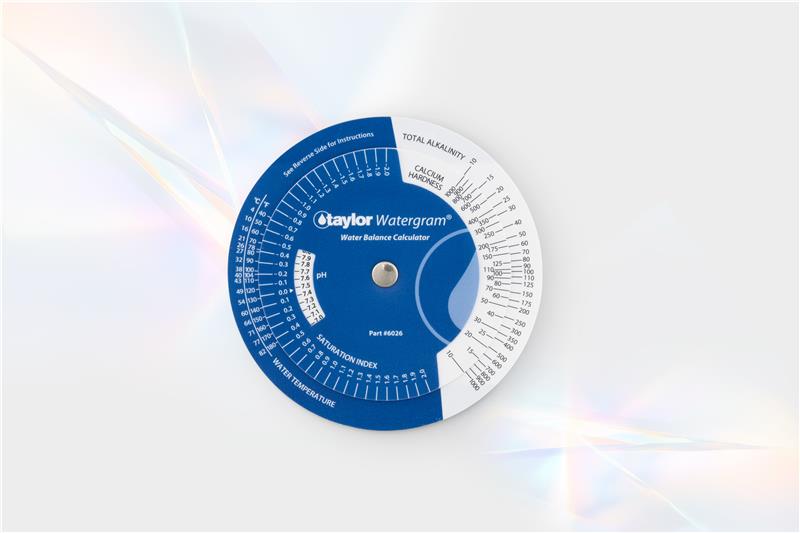
Using the Taylor Circular Watergram® Water Balance Calculator

The Difference Between Free, Combined, and Total Chlorine in Pool Water

How and When to Use Dilutions in Pool and Spa Water Testing
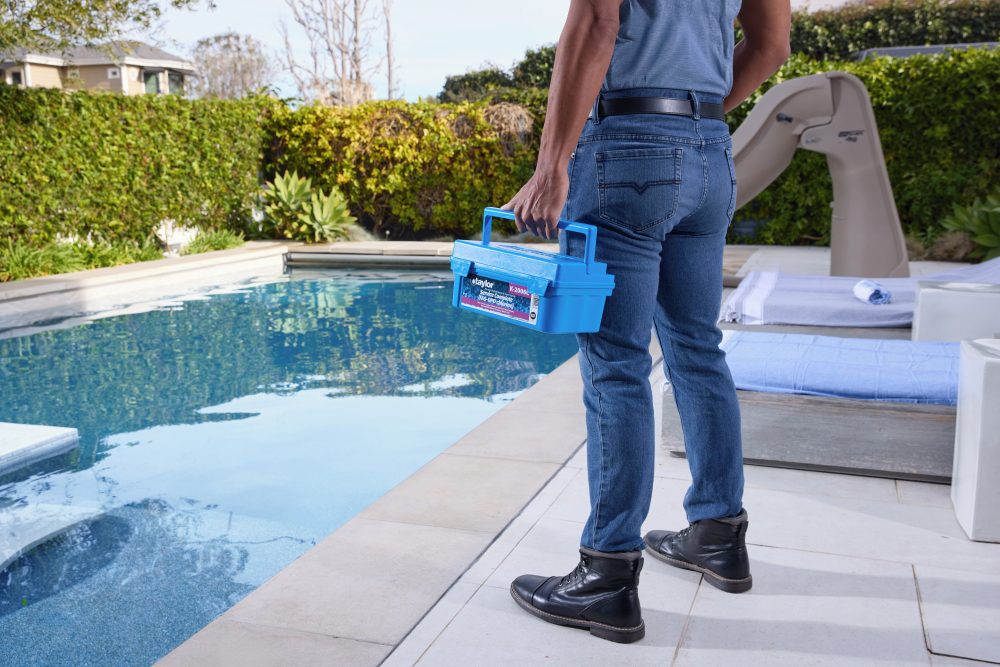
How FAS-DPD Tests for Free and Combined Chlorine Values

How to Collect a Pool or Spa Water Sample for Accurate Testing
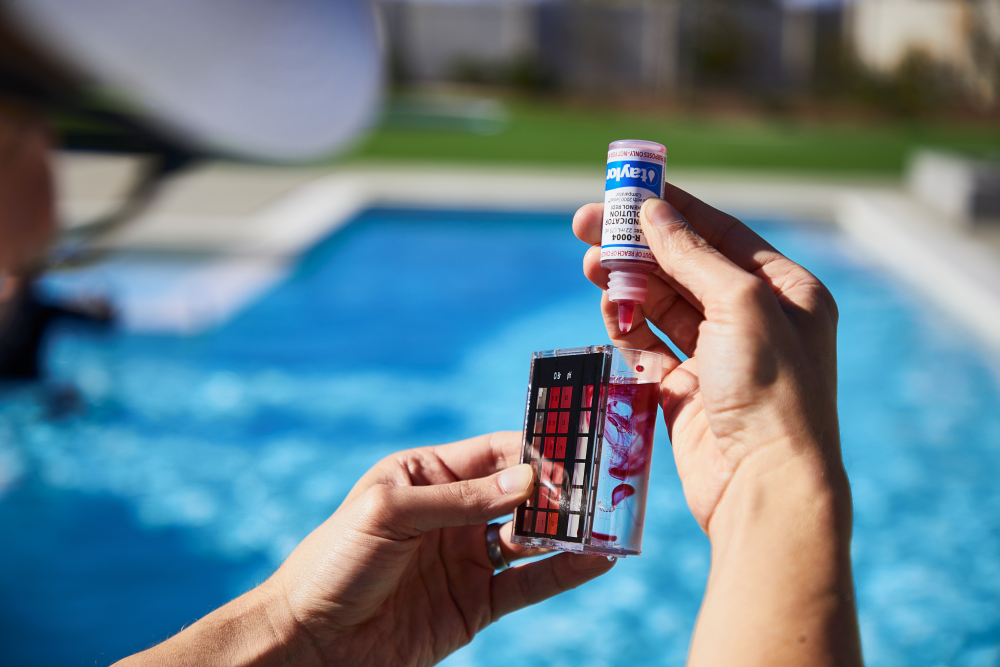
Solutions for 5 Pool and Spa Water Testing Errors

Understanding and Managing Calcium Hardness in Pool & Spa Water
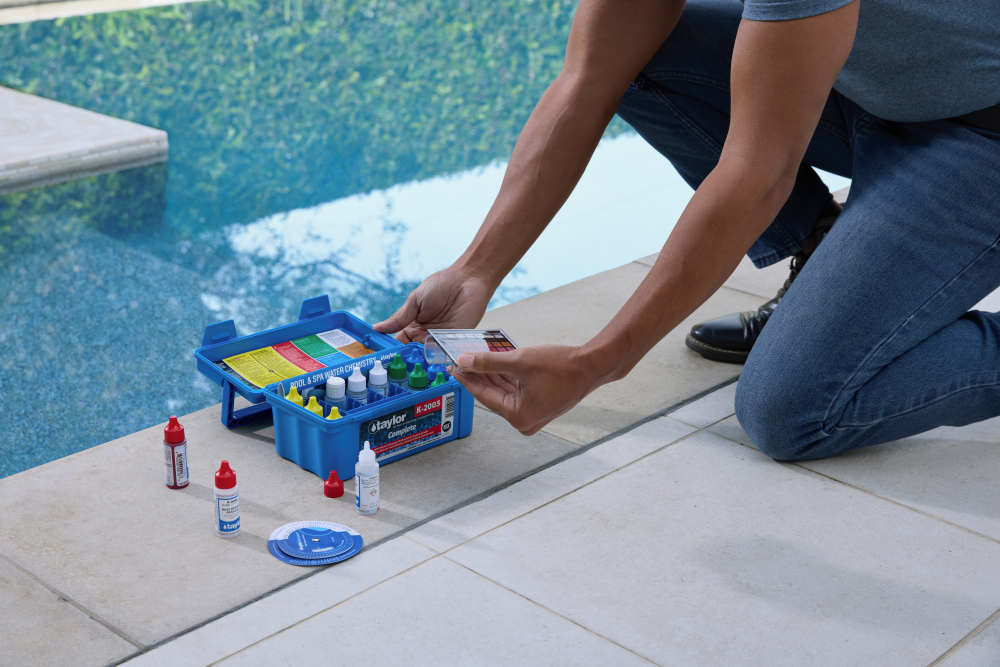
Why Monitoring Cyanuric Acid (CYA) in a Pool is Important